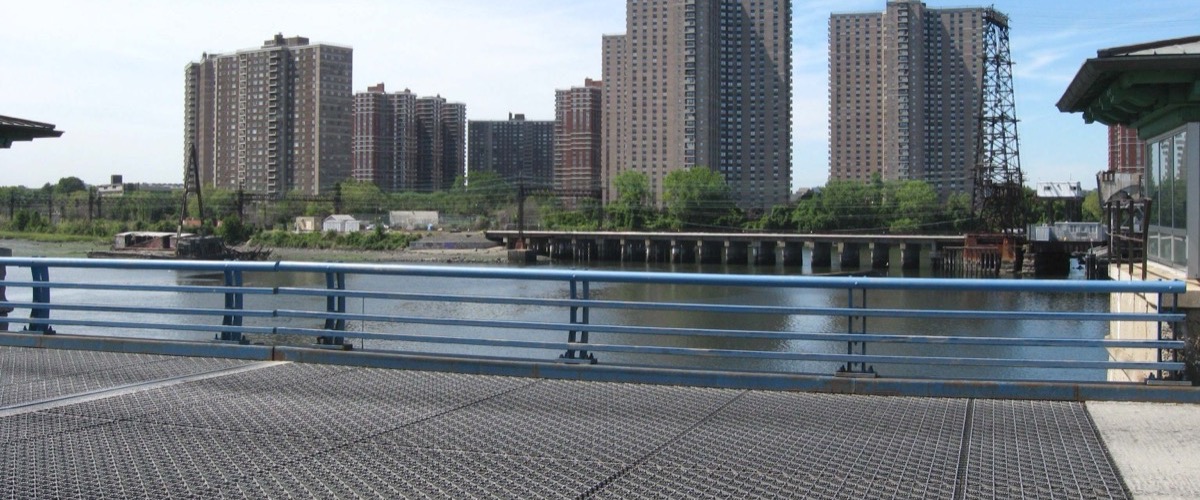
Downsizing in Co-op City, the Bronx
Co-op City is a Mitchell-Lama housing cooperative in the northeast Bronx with 15,372 apartments, its own shopping centers and garages, and a sales process that works differently from the open market. For a downsizer the first questions are whether you can buy in, what a sale looks like and what you give up.
- Local government
- City of New York (Bronx County)
- Smaller-home types
- Co-op apartments in towers and townhouse clusters
- Hospitals in the Bronx
- Montefiore, SBH Health System
- Evacuation zone
- Check by address
Co-op City at a glance
Co-op City describes itself as a New York State Mitchell-Lama housing cooperative with 15,372 residential units in 35 high-rise buildings and seven townhouse clusters of garden and duplex apartments, and about 50,000 residents. It says groundbreaking was on May 14, 1966. It marked its 50th anniversary in December 2018. NYC Planning places it in Bronx Community District 10 with Throgs Neck, Pelham Bay and City Island.
The development covers 320 acres, and Co-op City says about 80 percent of that is open space. Riverbay Corporation is its corporate entity.
Sources: Co-op City, about.
How buying in Co-op City works
This is the part to understand before anything else. Co-op City says the Riverbay Residential Sales Department is the exclusive agent for all apartment sales, at 2057-A Bartow Avenue, and that equity is capped so apartments cannot be resold on the open market. Applicants can check a waiting-list position on the state HCR site using the development name and an application number.
NYC Housing Preservation and Development describes Mitchell-Lama as affordable rental and cooperative housing for moderate- and middle-income households. It says each development keeps its own waiting list, there is no master list, and many lists are closed. HPD publishes income limits for the developments it supervises and notes that they are used during the admissions process. Co-op City is supervised by the state, so ask Riverbay and HCR which income rules apply to you, and do not rely on a figure from the city page.
The apartment types on Co-op City's site are a Chevron tower, a triple-core tower and townhouses. Ask the Sales Department which types are available and what each includes.
Sources: Co-op City, residential sales; NYC HPD, Mitchell-Lama; NY Attorney General, cooperatives.
What a limited-equity sale means for your finances
A capped-equity co-op is a different financial decision from an open-market one. Before you list an apartment elsewhere or plan to buy in, ask the Sales Department what a seller receives, what the buyer pays and how carrying charges are set. Co-op City says gas, water, electricity and air conditioning are included in the monthly carrying charges, which come from its own power plant. Have a New York attorney read the documents first.
Because the sale rules are specific to the development, this site does not give figures for them. Our guides to buying a co-op or condo and comparing home types cover the general questions.
Sources: Co-op City, about.
Getting around Co-op City
Co-op City says it is reachable by public transportation, including an express bus to Manhattan, and that the New England Thruway (I-95) and Hutchinson River Parkway are close by. It lists eight parking garages with more than 10,000 spaces. Use the MTA trip planner to price a trip from a particular building, because the development is large and walks within it vary.
The MTA is building a Co-op City Metro-North station as part of Penn Station Access, one of four East Bronx stations, with a current estimated completion date of 2030. Until then, buses are what exist. Riders 65 and older can use reduced fare; see our guide to getting around after 65.
Sources: Co-op City, about; MTA, Penn Station Access.
Health care near Co-op City
Montefiore's Jack D. Weiler Hospital is at 1825 Eastchester Road, and St. Barnabas Hospital, part of SBH Health System, is at 4422 Third Avenue. NYC Health + Hospitals also runs hospitals in the Bronx; see its site. Map the route from the building you are considering and ask your doctors where they practice.
Sources: Montefiore, locations; SBH Health System, locations.
Shopping, senior programs and everyday life
- Shopping. Three shopping centers sit on the property: Bartow, Dreiser and Einstein. The Mall at Bay Plaza is across the road.
- Community centers. JASA Social Services runs senior programs in all three community centers (Dreiser, Bartow and Einstein), with lunch, activities and trips.
- Library. A New York Public Library branch is at 2049 Asch Loop.
- Outdoor space. The development lists bike and walking paths, courts, a little league field and a community garden.
- Pelham Bay Park. NYC Parks calls it the city's largest park property, with Orchard Beach, two golf courses and a 13-mile saltwater shoreline.
- Older adult services. Call NYC Aging's Aging Connect at 212-244-6469.
Sources: Co-op City, about; NYC Parks, Pelham Bay Park; NYC Aging.
Storms, flooding and insurance in Co-op City
Bronx County was included in the federal Hurricane Sandy declaration in 2012. NYC Planning's profile for Bronx District 10, which includes Co-op City, shows part of the district inside the FEMA-based floodplain, and the risk differs from block to block. Look up your building in the Hurricane Evacuation Zone Finder and on the FEMA Flood Map Service Center, which are different maps. Ask Riverbay what its insurance covers and what you would insure yourself, since DFS says co-op policies generally cover contents and liability and building insurance is the building owner's job. See the flood and storm insurance guide.
Sources: NYS DHSES, FEMA-4085-DR-NY; NY DFS, homeowner and tenant guide.
Taxes and local government in Co-op City
Co-op City is in the City of New York and Bronx County. Co-op owners can apply for the Senior Citizen Homeowners' Exemption through a separate co-op application, if they are 65 or older, live in the apartment and have combined income of $58,399 or less. Enhanced STAR is open to co-op apartments within its income limit. How either benefit works for a Mitchell-Lama share is a question for Riverbay and the Department of Finance. On a sale, the state and city transfer taxes cover co-op shares, so ask your attorney how they apply to a capped sale. See senior exemptions and costs and money. This is general information, not tax advice.
Sources: NYC 311, SCHE; NY Tax Department, STAR; NYC Finance, RPTT.
Questions to ask before you buy in Co-op City
- What are the current eligibility and income rules for a buyer, and which agency sets them?
- Where would I be on the waiting list, and how long do applicants wait?
- What does a seller receive, and what is the buyer's total cost?
- What do the monthly carrying charges include, and what increases have been approved?
- Which apartment type and building would suit my stairs, elevator and laundry needs?
- Is a garage space included or separate, and what does it cost?
- What does the address show on the evacuation zone finder and FEMA's map?
Compare with Parkchester or Riverdale, or read the Bronx guide and the downsizing plan. Introductions through this site go to agents on the operating team at eXp Realty, so this is not a search of the whole market. To be introduced to one, get matched.
Questions people ask
Can I buy a Co-op City apartment on the open market?
No. Co-op City describes itself as a Mitchell-Lama housing cooperative, says its Riverbay Residential Sales Department is the exclusive agent for all apartment sales, and says equity is capped so apartments cannot be resold on the open market. Call the Sales Department at (718) 320-3300, option 6, before you plan around it.
Who supervises Co-op City?
Co-op City's own site says it is part of New York State's Mitchell-Lama program and is supervised by the state's Division of Housing and Community Renewal. NYC Housing Preservation and Development supervises other Mitchell-Lama developments, so its published figures may not apply to Co-op City.
Will Co-op City get a Metro-North station?
The MTA is building a Co-op City station as part of its Penn Station Access project, one of four new East Bronx stations, with a current estimated completion date of 2030 in its September 2026 update. Do not make a housing decision that depends on a station opening on a given date.
Is Co-op City a condominium?
No. It is a cooperative, run by Riverbay Corporation, and a buyer purchases shares tied to an apartment. A co-op is a different legal structure from a condo, and the Attorney General advises reading the full offering documents with an attorney before signing.
More neighborhoods to compare
- RiverdaleHudson River parks, co-op buildings and a Metro-North station in the northwest Bronx.
- ParkchesterTwo condominiums in a planned East Bronx complex on the 6 train.
- Throgs Neck and City IslandWaterfront houses, a college fort and an island off Pelham Bay Park.
- Pelham Parkway and Morris ParkApartment houses, brick co-ops and low-rise homes near Bronx Park and the 2 and 5.
- Upper West SideCo-ops and condos between Central Park and Riverside Park, with the 1 and C lines.
- Upper East SideCo-op and condo buildings between Central Park and the East River, near major hospitals.
Plan your move
We can introduce you to a licensed New York area agent with eXp Realty who works with homeowners moving to less house. New York Downsizing is operated by licensed agents affiliated with eXp Realty and is not a New York brokerage.