
New York and Long Island
Downsizing in New York, made straightforward
Where to look, what it costs, how co-op boards and transfer taxes fit into the plan and who can help with the move. Free local guides, and an introduction to an agent who works with downsizers.
10 neighborhoods 8 55+ communities 12 guides No cost, no obligation
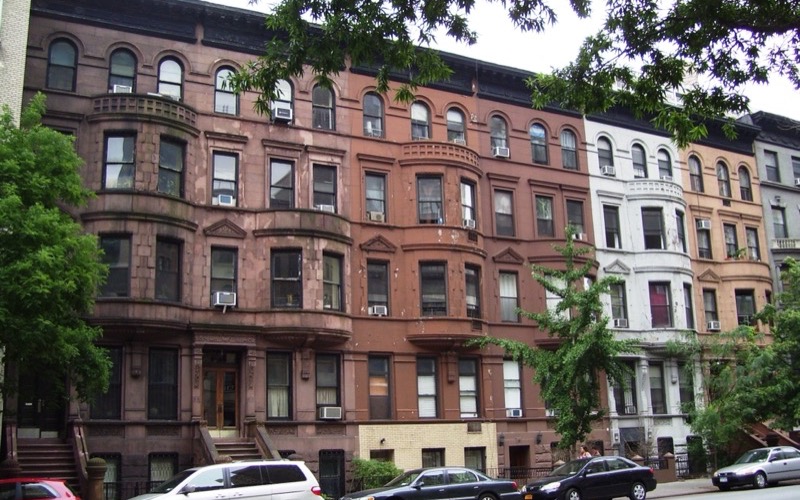
Photo: Jakub Hałun, CC BY 4.0, via Wikimedia Commons

Where to downsize in New York
Ten neighborhoods across Manhattan, Brooklyn, Queens and the Bronx with co-ops, condos and elevator buildings. Each page covers housing, health care, flood risk and which exemptions apply.
-
 Upper West Side
Co-ops and condos between Central Park and Riverside Park, with the 1 and C lines.
Upper West Side
Co-ops and condos between Central Park and Riverside Park, with the 1 and C lines.
-
 Upper East Side
Co-op and condo buildings between Central Park and the East River, near major hospitals.
Upper East Side
Co-op and condo buildings between Central Park and the East River, near major hospitals.
-
 Battery Park City
Waterfront condos and rentals on ground-leased land, with parks and a resilience build-out.
Battery Park City
Waterfront condos and rentals on ground-leased land, with parks and a resilience build-out.
-
 Murray Hill and Kips Bay
East Side co-ops, condos and brownstones near the 6 train, Grand Central and NYU Langone.
Murray Hill and Kips Bay
East Side co-ops, condos and brownstones near the 6 train, Grand Central and NYU Langone.
-
 Brooklyn Heights
A landmarked Brooklyn district of row houses and apartment buildings beside the Promenade.
Brooklyn Heights
A landmarked Brooklyn district of row houses and apartment buildings beside the Promenade.
-
 Bay Ridge
Southwest Brooklyn, with brick two-family homes, apartment buildings and the Shore Road waterfront.
Bay Ridge
Southwest Brooklyn, with brick two-family homes, apartment buildings and the Shore Road waterfront.
55+ and active adult communities
Age-restricted communities across Long Island, with what to ask about fees, rules and flood risk before you make an offer.
- 55+ community Greens at Half Hollow A gated 55+ townhome community in Melville with a clubhouse and 18-hole golf course.
- 55+ community Country Pointe Plainview A sold-out Beechwood 55+ condo and townhome community in Plainview, Nassau.
- 55+ community HarborView A gated 55+ community of houses, townhomes and condos in Port Washington, Nassau.
- 55+ community Seasons at Dix Hills A 55+ condominium community in Dix Hills built by B2K Development.
- 55+ community Country Pointe Preserve A newer Beechwood 55+ townhome and villa community in Yaphank, Suffolk County.
- 55+ community Beechwood at The Waterways New 55+ condominiums inside a gated waterfront development in Moriches, Suffolk.
Why New York homeowners move to less house
Stairs get harder, not easier
A walk-up or a house with bedrooms on the second floor works until it does not. An elevator building or a single-level home can add years in the neighborhood you already know.
Upkeep someone else handles
Boilers, roofs, facades and snow shoveling belong to the building in a co-op or condo, paid for through maintenance or common charges rather than one surprise bill at a time.
Equity you can use
Long-time owners often have a large gap between what they paid and what the home is worth. Knowing the transfer taxes and the capital gains exclusion up front shows how much of it you keep.
Staying close
Downsizing does not have to mean leaving. Many neighborhoods have both houses and apartment buildings, so the doctors, friends and weekly routines can stay the same.
Or leaving the city
For a clubhouse, a pool and a townhome with a patio, Long Island has age-restricted communities within reach of family in the city.
Tax breaks worth keeping
STAR, the senior exemption and the co-op and condo abatement all depend on your primary residence and on specific dates. Planning the move around them keeps the savings.
How an introduction works
Tell us about the move
Your timeline, where you live now and what kind of home you are considering. About two minutes.
We introduce one specialist
A licensed New York area agent with eXp Realty who works with downsizing clients in your part of town.
You decide what happens next
The first conversation costs nothing and you are never obligated to hire anyone.
Guides to the parts people get stuck on
Taxes, co-ops and condos, insurance, selling and moving day, researched against New York statutes and city and state sources.
- Planning Aging in place or downsizing in New York: how to decide An honest comparison of staying put and downsizing in New York: stairs and elevators, home modifications, costs to weigh and the NYC Aging and NY Connects services.
- Planning Buy first or sell first? Timing a downsizing move in New York The trade-offs of buying before you sell or selling before you buy in New York, including co-op board timing, contingencies, bridge financing, rent-backs and temporary rentals.
- Buying Buying a co-op or condo in New York City Shares versus a deeded unit, board approval, what each building sets for itself, condo liens, offering plans, insurance and the buyer-paid mansion tax.
- Buying Co-op, condo, townhouse or house: choosing a home type in New York How co-ops, condos, townhouses, single-family houses and Long Island 55+ communities differ on ownership, monthly costs, board approval, subletting, upkeep and insurance.
- Moving Estate sale, consignment or donation: clearing a New York home Your options for clearing a home before a downsizing move: estate sale companies, consignment and auction, donation, city sanitation rules and the IRS basics for donors.
- Money How to estimate your net proceeds when selling a New York home The seller costs that come out of a New York sale: state and city transfer taxes, local taxes, co-op flip taxes, commissions, payoff and income tax, with a worked example.
Get matched with a local downsizing specialist
Tell us a little about your plans and we will introduce you to a licensed New York area agent with eXp Realty who works with downsizing clients.
New York Downsizing is operated by licensed agents affiliated with eXp Realty and is not itself a brokerage. Requests go to agents on our own team, so this is not a search of the whole market. We never sell your information. Prefer email? Write to [email protected].
Thank you. Your request is in.
A licensed local downsizing specialist will reach out, usually within one business day. In the meantime, the New York Downsizing Guide is a good place to start.
Common questions
Is New York Downsizing a real estate company?
New York Downsizing is a local information resource operated by licensed real estate agents affiliated with eXp Realty. We publish free information about downsizing in New York and, if you ask, introduce you to an agent on our own team. The site itself is not a brokerage and does not represent buyers or sellers.
Does it cost anything to get matched?
No. Requesting a match is free and you are never obligated to work with the agent we introduce.
Are there property tax breaks for seniors in New York?
Yes. Enhanced STAR lowers school taxes for owners 65 and older with income of $110,750 or less for 2026 to 2027. The city's Senior Citizen Homeowners' Exemption cuts assessed value by up to 50 percent for owners 65 and older with combined income of $58,399 or less, and co-op and condo owners qualify. Neither follows you to a new home automatically. See Costs and Money.
What does it cost to sell a home in New York?
Common seller costs include the commission, which is negotiable, the New York State transfer tax of 0.4 percent (0.65 percent on residential sales of $3 million or more in the city), the NYC transfer tax of 1 or 1.425 percent, your attorney, any co-op flip tax and building fees. Try the net proceeds calculator.
Do I have to be 55 to buy in a 55+ community?
Not always. Under federal rules, a 55+ community must have at least one resident aged 55 or older in at least 80 percent of occupied homes. Each community sets its own rules for the rest, so check the governing documents of any community you are considering.
Is it harder to buy a co-op than a condo?
It involves more steps. A co-op buyer purchases shares and signs a proprietary lease, and the board reviews an application package, and may interview the buyer, before approving the sale. Each building sets its own financial requirements, sublet rules and any flip tax. Our co-op and condo guide walks through it.